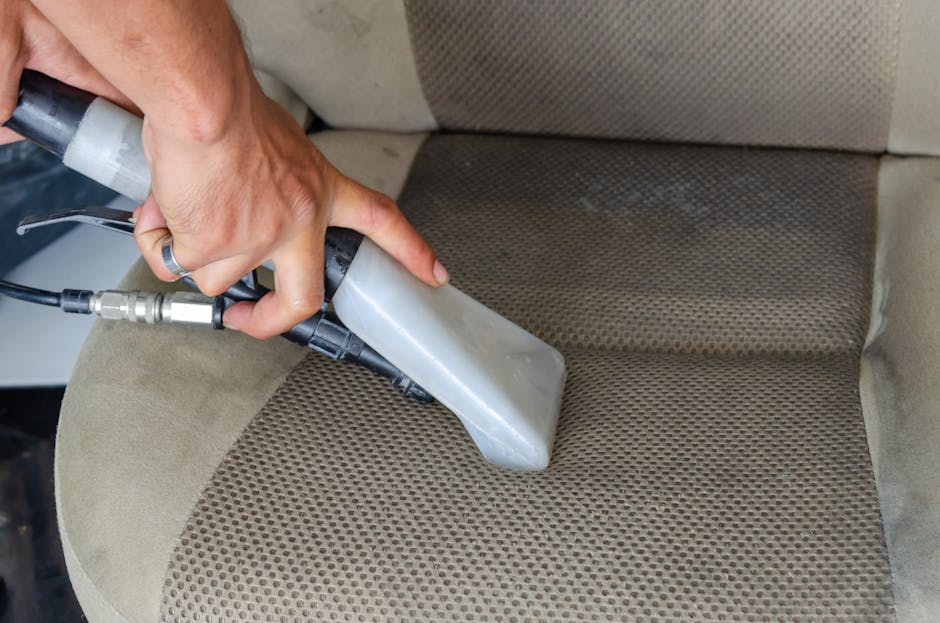
Finchley Road upholstery cleaning before and after case study
Posted on 03/09/2026
If you have ever looked at a tired sofa and thought, "surely that used to be a lighter colour," you are in the right place. This Finchley Road upholstery cleaning before and after case study breaks down what a proper clean can do, what it cannot do, and how to judge the results without getting carried away by glossy claims. Upholstery is tricky stuff. It holds dust, body oils, food marks, pet smells, and the odd mystery stain that appeared one rainy Tuesday and never left. This guide shows the process in plain English, so you can decide whether a professional clean is worth it for your home, tenancy, or business.
For readers who want the broader service context as well, it can help to skim the services overview and the main upholstery cleaning service before going deeper here. And if you are comparing upholstery work with broader property refreshes, the advice in deep cleaning in Swiss Cottage is surprisingly useful too.
Expert summary: a strong before-and-after result is not just about making fabric look brighter. It is about removing embedded soil safely, protecting the textile, and leaving the room fresher without over-wetting, shrinkage, or residue.
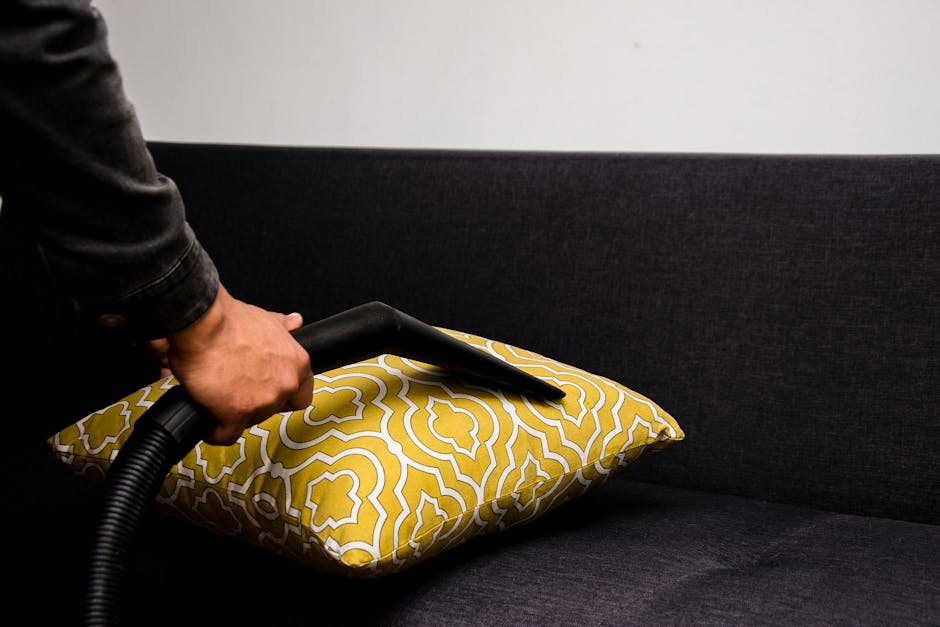
Why Finchley Road upholstery cleaning before and after case study Matters
People rarely search for upholstery cleaning because they are bored. Usually there is a real problem: a sofa looks patchy in daylight, dining chairs smell a bit stale, or a landlord wants the furniture to feel presentable before a new tenancy. A before-and-after case study matters because it helps you see the difference between a surface tidy-up and a genuine fabric clean.
Finchley Road is a busy London stretch with flats, family homes, rental properties, and offices nearby. That mix matters. Sofas in these spaces take different kinds of wear. One household may deal with kids and snack spills. Another may have work-from-home traffic and afternoon coffee stains. A good case study shows how the same upholstery cleaning principles can still deliver different outcomes depending on fabric type, age, and contamination level.
Truth be told, a before-and-after image alone does not tell the whole story. You also want to know whether the cleaner used a method suitable for the fabric, whether the drying time was reasonable, and whether the result was achieved without fluffing the fibres into a mess. That is where a proper case study earns its keep.
If you are working out whether your property needs a one-off treatment or a broader refresh, the broader context in one-off cleaning in Swiss Cottage can help you judge the scale of the job. And if the clean is connected to a move-out, end of tenancy cleaning is worth a look because upholstery is often part of the final presentation.
How Finchley Road upholstery cleaning before and after case study Works
At its core, upholstery cleaning is about separating soils from fabric and lifting them out safely. The exact method depends on the upholstery material, the construction of the furniture, and the type of marks present. That sounds technical, but in practice it usually comes down to a few sensible steps: inspect, test, pre-treat, clean, extract or wipe, and then dry properly.
In a proper before-and-after case study, the cleaner starts by identifying the fabric care label or testing a hidden area. This matters more than most people realise. A cotton-blend sofa, a synthetic armchair, and a delicate textured fabric will not all tolerate the same moisture or agitation. If someone rushes in with a heavy-handed approach, you can end up with water marks, colour bleeding, or flattened pile. Not ideal, to say the least.
Next comes pre-treatment. That means applying the right solution to break down greasy grime, food residue, or general dullness. After that, the cleaning itself may involve hot water extraction for suitable fabrics, low-moisture methods, or careful hand work around piping, seams, and buttons. The goal is to remove as much soil as possible without damaging the material. It sounds simple. It rarely is.
A useful before-and-after comparison will also note drying conditions. Natural fibres often need more careful airflow, and even synthetics can feel slightly damp for a while if the room is cool. In London flats with limited ventilation, that matters. A sofa that looks clean but stays wet too long is not a win.
Key Benefits and Practical Advantages
A successful upholstery clean brings more than a neat photo set for the customer. The best results are practical, lived-in improvements that you notice when you sit down, open the curtains, or walk past the room first thing in the morning.
- Improved appearance: dulled fabric regains depth of colour and looks more even.
- Better freshness: stale odours from food, pets, or everyday living are reduced.
- Longer fabric life: removing grit and grime can slow down wear.
- Better home presentation: useful if you rent, sell, or simply want the room to feel cared for.
- More comfortable day-to-day use: a cleaner sofa just feels nicer, simple as that.
One thing people often miss is how much light changes the perception of cleanliness. In a north-facing room near Finchley Road, a fabric might look flat and grey in the evening, then reveal much more improvement in natural light the next morning. So it is wise to judge a before-and-after result at a couple of different times of day. Funny how the same sofa can seem like two different pieces of furniture.
There is also a trust benefit. If you can see that the cleaning process lifted visible marks without leaving tide lines or damage, it gives you confidence to schedule more regular care. For business spaces, that matters too. In an office lounge or reception area, upholstery is part of the first impression, and a sensible maintenance plan can make a big difference.
Who This Is For and When It Makes Sense
This kind of case study is useful for more than one reader. Homeowners want reassurance that their sofa is not beyond saving. Tenants want to know whether cleaning will help with deposit-related expectations. Landlords and letting agents want furniture that looks respectable between occupancies. Office managers need seating that does not quietly age the whole space.
It makes sense to book upholstery cleaning when you notice one or more of these signs:
- obvious drink marks, food stains, or patchy armrests
- furniture smells musty, stale, or pet-like
- the fabric looks dull even after vacuuming
- the room has had a lot of use after a move, renovation, or family event
- you are preparing for a guest stay, inspection, or property listing
A practical rule of thumb: if you can clean the surface with a quick vacuum but the piece still looks tired, that is usually the point where professional help starts to make sense. If the issue is structural damage, like sagging cushions or torn seams, cleaning alone will not fix that. Better to know early than to assume miracles.
For readers comparing property upkeep needs in the area, the local perspective in is Swiss Cottage the right home for you offers a broader look at what busy London living can do to interiors over time. And if you want a wider sense of the neighbourhood itself, the Swiss Cottage area guide gives some useful background.
Step-by-Step Guidance
If you are trying to understand what happens during a real upholstery clean, here is the process in a straightforward order. Not every job looks identical, but this is the general flow you would expect from a careful professional service.
- Initial inspection: the fabric type, colourfastness, wear, and stain pattern are checked.
- Dry vacuuming: loose dust, crumbs, and debris are removed first.
- Testing: a small hidden area is tested to reduce the risk of colour transfer or texture damage.
- Pre-treatment: suitable cleaning solution is applied to stain zones and high-contact areas.
- Agitation: gentle brushing or controlled working of the cleaner helps lift embedded soil.
- Main clean: the chosen method is used, often with careful extraction or controlled low-moisture cleaning.
- Detail work: seams, arms, cushions, and shaded areas are finished by hand.
- Drying and grooming: the pile is reset where needed and airflow is encouraged.
- After inspection: the result is checked in natural light, if possible.
The before-and-after photo should ideally be taken from the same angle, with similar lighting. Otherwise the "after" can look exaggerated, and nobody benefits from that. A clean that looks good only because the light changed is not a reliable result.
If you are planning broader household maintenance at the same time, a combined approach may be sensible. The page on house cleaning in Swiss Cottage shows how upholstery work can slot into wider home care without turning the day into a marathon.
Expert Tips for Better Results
Here is where experience really matters. The best upholstery results usually come from a few unglamorous habits rather than one dramatic trick.
- Vacuum first and properly. Loose grit behaves like sandpaper if it is worked into the fabric.
- Do not oversaturate. More water is not better. It often just slows drying and leaves marks.
- Ask about the fabric. If the cleaner does not discuss material type, be cautious.
- Work from the least dirty area outward. This avoids spreading grime.
- Use airflow after cleaning. Opening windows and allowing circulation usually helps.
- Photograph before and after in the same light. It is the simplest way to judge honestly.
A small but useful tip: check cushions after drying and rotate them if the furniture allows it. The piece will age more evenly. Also, if a stain is something oily, fresh coffee, or pet-related, tell the cleaner exactly what happened. It is a bit awkward sometimes, but the more honest the briefing, the better the result. Nobody needs a mystery stain guessing game.
If you are weighing the cost of different cleaning add-ons, the article on hidden extra charges to avoid in cleaning quotes is a smart companion read. It helps you ask better questions before booking.
Common Mistakes to Avoid
Most upholstery disappointments are preventable. The biggest mistake is assuming all fabrics should be cleaned the same way. They really should not.
- Using the wrong method for the fabric: delicate materials can react badly to aggressive cleaning.
- Chasing every stain with more product: this can create residue and make the area attract dirt faster.
- Cleaning only the visible mark: the result can leave a tide line or a patchy look.
- Ignoring drying time: damp furniture used too soon can smell worse than before.
- Skipping a test patch: this is a needless risk, especially on older or dyed fabrics.
- Judging the result too early: some fabrics look different once fully dry and fluffed back up.
Another one, and it sounds small, is forgetting the room itself. If the sofa is cleaned beautifully but the room has dusty skirting, old curtains, and a stale smell, the overall improvement can feel underwhelming. That is why many clients pair upholstery with broader domestic or spring cleaning. The furniture is part of the scene, not the whole story.
Tools, Resources and Recommendations
You do not need a van full of specialist kit to understand the process, but a few tools and practical resources make life easier.
| Item | Why it helps | Best use |
|---|---|---|
| Upholstery vacuum attachment | Lifts dust and crumbs before wet cleaning | Pre-clean preparation |
| White microfibre cloths | Useful for controlled blotting and testing | Spot work and colour checks |
| Soft upholstery brush | Helps release surface grime gently | Before extraction or low-moisture cleaning |
| Airflow fan or open windows | Speeds up drying | After the clean |
| Photo notes on fabric condition | Helps compare before and after fairly | Decision-making and record keeping |
From a service-planning angle, it also helps to review the general pricing and quotes approach before you book anything. That way you can compare value rather than just the headline number. The cheapest quote is not always the best deal. You probably knew that already, but it is worth saying out loud.
If the job is part of a larger refresh, a look at spring cleaning in Swiss Cottage can help you decide whether upholstery should be bundled with other tasks. Bundling sometimes makes more sense, especially before guests arrive or a property changes hands.
Law, Compliance, Standards, or Best Practice
For upholstery cleaning, the most relevant standards are usually practical rather than legalistic. In the UK, good practice means choosing methods that respect the manufacturer's care guidance, using products safely, and avoiding damage to property or health. If a fabric label says a certain method is unsuitable, that should be taken seriously. Common sense, yes, but it is amazing how often common sense needs a reminder.
From a safety perspective, professionals should take care with ventilation, slip hazards, cable management, and the handling of chemicals. In occupied homes and offices, that matters because the room still has to function afterwards. Good cleaners should also be clear about limitations, such as pre-existing wear, permanent staining, or fabrics that are too fragile for wet cleaning.
Best practice also includes honest communication. A cleaner should not promise that every stain will vanish. Some marks are permanent, some dyes have migrated, and some materials hold onto shadowing after the source stain is gone. A trustworthy company will say that upfront rather than turning the after photo into a small drama.
If your clean is happening in a managed property or after a tenancy, it can help to read the company's terms and conditions and insurance and safety information before confirming the work. That is not exciting reading, admittedly, but it does answer a few important questions.
Options, Methods, or Comparison Table
Different upholstery situations call for different methods. Here is a simple comparison that captures the practical differences without turning into a lab report.
| Method | Best for | Strengths | Watch-outs |
|---|---|---|---|
| Hot water extraction | Many synthetic fabrics and robust upholstery | Deep soil removal, strong refresh | Needs careful drying and fabric suitability checks |
| Low-moisture cleaning | Sensitive situations, quicker turnaround needs | Faster drying, less saturation | May need more careful spot work for heavy staining |
| Hand cleaning / spot treatment | Delicate areas, seams, isolated marks | Precision and control | Less effective for whole-piece refresh on its own |
| Dry compound methods | Specific fabrics and low-water needs | Very limited moisture use | Not suitable for every textile or level of soil |
The right choice depends on the fabric, the staining, and the outcome you need. If you are not sure, ask for a method explanation in plain English. A good cleaner should be able to tell you why a certain approach is safer or more effective. If they cannot, that is a bit of a red flag.
Case Study or Real-World Example
Here is a realistic Finchley Road upholstery cleaning before and after case study based on a typical London property scenario. No dramatic claims, no miracle dust. Just a clear, believable example.
A client had a two-seater fabric sofa and two dining chairs in a flat close to Finchley Road. The sofa had visible arm wear, a few darkened patches where people rested their heads, and a faint food odour that had built up over time. The chairs were less stained but had a general grey cast from everyday use. The client wanted the furniture to look presentable for visitors and to feel fresher in the room.
Before cleaning: the sofa looked dull in the afternoon light, especially around the armrests and seat cushions. The colour was still there, but hidden under a film of body oils and household grime. The chairs were not obviously dirty at first glance, which is exactly the sort of thing that makes people underestimate how much soil fabric holds.
Process used: the upholstery was vacuumed thoroughly, tested for colour stability, pre-treated in the high-contact areas, and then cleaned using a fabric-appropriate low-moisture approach. Seams and piping were finished by hand. Drying was supported with airflow and an open window where practical.
After cleaning: the sofa colour looked more even, the greasy dullness had lifted, and the odour was noticeably reduced. The chairs did not look brand new, and that is fair to say, but they looked cared for rather than tired. The biggest improvement was not even the stain removal. It was the sense that the room had become lighter and more orderly. You could see it the moment you walked in.
That is the honest value of a good case study. Not perfection. Better. Cleaner. Fresher. More usable. And, just as important, no fabric damage. In many homes, that is exactly the outcome people want.
Practical Checklist
Use this checklist before and after booking upholstery cleaning. It keeps expectations realistic and helps the job go more smoothly.
- Identify the main fabric type if you can.
- Note down visible stains and where they are.
- Check whether the piece has removable cushions.
- Make sure access is clear for equipment and drying.
- Ask how long drying is likely to take.
- Confirm whether the cleaner will test a small area first.
- Move fragile items away from the work area.
- Vacuum loose debris before the appointment if possible.
- Take "before" photos in the same light you will use for comparison.
- After cleaning, allow the upholstery to dry fully before heavy use.
One tiny but important thing: if you have pets or a busy household, try to keep everyone off the furniture during the drying window. It is annoying for an afternoon, yes. But it saves a lot of frustration later. A damp sofa and a dog do not mix especially well.
If you are also planning a wider refresh of the home or flat, you may find the broader domestic cleaning in Swiss Cottage service useful as part of the same refresh. The whole place can feel new when the textiles, floors, and surfaces all get attention at once.
Conclusion
A Finchley Road upholstery cleaning before and after case study is useful because it shows the real value of the service: not magic, not hype, just careful cleaning that makes lived-in furniture look and feel better. The strongest results come from matching the method to the fabric, treating stains with patience, and judging the outcome honestly. That is the kind of result people can actually trust.
Whether you are preparing for guests, managing a tenancy, or simply tired of looking at a sofa that has started to dim the whole room, upholstery cleaning can be a practical fix. Sometimes the change is dramatic. Sometimes it is subtle. Either way, if it is done properly, the room tends to feel calmer, fresher, and a bit more looked after. And frankly, that matters.
Get a free quote today and see how much you can save.
For a closer look at the company behind the service, you can also read about us and review the same-day quotes and prices guide if you want a faster booking path.